






Cuando las cadenas de suministro se centran en la experiencia del cliente, suceden cosas buenas.
En el convulso entorno empresarial actual, los responsables de la cadena de suministro tienen muchas cosas en mente. Ante la inestabilidad geopolítica, la fluctuación de los aranceles y el aumento vertiginoso de los precios de las materias primas, no sorprende que muchos optaron por la planeación de contingencia y la vuelta a lo básico en materia de eficiencia.
Están haciendo un cálculo estratégico para centrar en optimizar los procesos internos y dejar que sus colegas de Ventas y Marketing se encarguen de los clientes.
Suena razonable, pero creemos que esa compensación es en realidad una gran oportunidad perdida.
Esto se debe a que las cadenas de suministro no tienen que elegir entre la eficiencia interna y la experiencia del cliente (CX). Las cadenas de suministro más eficaces logran ambos objetivos al mismo tiempo, aprovechando procesos logísticos y de producción eficientes para ofrecer la propuesta de valor de la compañía a sus clientes.
El resultado es un sistema que aumenta la satisfacción del cliente, fomenta la fidelidad a la marca y genera ingresos.
Esto es más importante en el panorama competitivo actual, donde la experiencia del cliente se convirtió en uno de los diferenciadores más importantes. De hecho, McKinsey descubrió que los líderes en experiencia del cliente (CX) logran un beneficio de ingresos del doble sobre sus competidores con el tiempo.
¿Cómo pueden los líderes de la cadena de suministro orientar hacia la experiencia del cliente (CX)? No requiere un cambio radical en las capacidades operativas —aunque la IA puede ayudar—, sino que se trata realmente de un cambio de mentalidad estratégica.
Hablemos de ello.
Alinear los procesos existentes con las necesidades del cliente.
Todos los responsables de la cadena de suministro están centrados en aumentar la velocidad y/o reducir los costos, objetivos ambos muy valiosos. El problema radica en que se puede construir la cadena de suministro más eficiente del mundo y aun así quedar corto en términos de experiencia del cliente.
Por ejemplo, imaginemos una compañía estadounidense que centralizó su producción en Texas para facilitar las economías de escala, lo que redujo significativamente los costos. ¿Qué ocurre si los pedidos de los clientes aumentan significativamente en Asia y la cadena de suministro existente está demasiado lejos para satisfacer la demanda de manera oportuna? Los pedidos se retrasan, se pierde la confianza de los clientes y estos buscan una opción más fiable en el mercado. De repente, la medida de “ahorro de costos” está perjudicando los resultados finales.
La buena noticia es que, para centrar más en el cliente, las cadenas de suministro no necesitan reinventar la rueda; solo necesitan un cambio de perspectiva. Aquí hay algunos ejemplos:
Planeación: Gran parte de la planeación de la cadena de suministro está dominada por factores como los costos laborales, las relaciones con los proveedores y las interrupciones externas. ¿La entrada que falta? Datos del cliente. La información precisa y en tiempo real sobre el comportamiento del cliente, tanto cualitativa como cuantitativa, garantizará que las decisiones tengan el mayor impacto posible en los ingresos.
Gestión de inventario: Los retrasos en las entregas y los pedidos pendientes son problemas importantes para los clientes. Los datos de inventario en tiempo real y la automatización de almacenes pueden ayudar a que las cadenas de suministro sean lo suficientemente ágiles como para gestionar las crecientes demandas de los clientes, que se acostumbraron a las prácticas increíblemente orientadas al cliente de líderes del sector de consumo como Amazon.
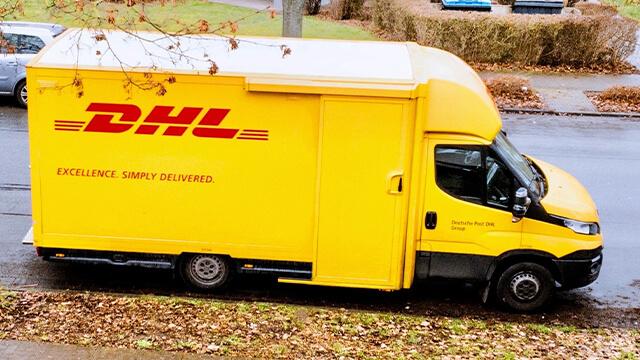
Entrega: La rapidez es importante en cualquier etapa de la cadena de suministro, pero desde la perspectiva del cliente, lo único que realmente importa es el punto de contacto final. Las inversiones específicas en la optimización de rutas y la mejora de la capacidad de entrega de última milla generarán un retorno de la inversión significativo en términos de satisfacción y fidelización del cliente.
Agilidad estratégica para responder a las tendencias en el comportamiento del cliente.
Reorientar los procesos centrales en torno al cliente es un excelente punto de partida, pero centrar en la experiencia del cliente también tiene participaciones estratégicas para las cadenas de suministro. Si bien algunas demandas de los clientes son constantes y previsibles (como los pedidos puntuales), otras están impulsadas por la dinámica del mercado, que fluctúa constantemente.
En todos los sectores, los mercados cambian de forma rápida y constante. Las cadenas de suministro centradas en la experiencia del cliente se mantienen al tanto de estas tendencias, que incluyen no solo la demanda de productos actuales, sino también el potencial de demanda de productos nuevos o modificados.
Las cadenas de suministro ágiles y centradas en la experiencia del cliente (CX) pueden aumentar o disminuir la producción en respuesta a las tendencias en el comportamiento del cliente. Los procesos de producción modulares, las diversas colaboraciones con múltiples proveedores y la gestión inteligente del inventario pueden contribuir al éxito.
La cuestión no es tener una bola de cristal; nadie la tiene. El objetivo es garantizar que la cadena de suministro sea lo suficientemente ágil como para responder a las demandas de los consumidores sin problemas y sin tener que ir a remolque.
Para lograrlo, los líderes de la cadena de suministro deben tener voz y voto en la toma de decisiones estratégicas. La cadena de suministro ya no es una función administrativa secundaria, sino que es fundamental para el éxito en la economía actual centrada en el cliente.
Construir una cultura centrada en el cliente
Para maximizar el crecimiento de los ingresos impulsado por la experiencia del cliente, los líderes de la cadena de suministro deberían pensar más allá de los cambios operativos o incluso estratégicos. Inculcar una mentalidad centrada en el cliente en todos los niveles de la cadena de suministro tendrá un efecto más profundo que cualquier iniciativa, táctica o tecnología individual.
Aquí hay un par de obras de teatro. Internamente, los indicadores clave de rendimiento (KPI) centrados en el cliente pueden ser muy eficaces. Estos KPI permiten a la organización de la cadena de suministro cuantificar el impacto de sus procesos en la experiencia del cliente (CX), lo cual es importante, ya que muchos KPI de la cadena de suministro de uso común enmascaran fallos en la CX. En este caso, resultan útiles los indicadores clave de rendimiento (KPI) que miden la calidad del servicio y del producto, la fiabilidad del suministro, la entrega puntual, la información precisa sobre los envíos y los niveles de comunicación adecuados.
La adopción de estos indicadores clave de rendimiento (KPI) también ayuda a cambiar la mentalidad de los equipos internos, inculcando una filosofía verdaderamente centrada en el cliente.
Desde una perspectiva externa, orientada al cliente, las organizaciones centradas en la experiencia del cliente (CX) deberían buscar la transparencia integral de la cadena de suministro.
Muchas compañías dan prioridad a la visibilidad de la cadena de suministro, y con razón. Poder realizar un seguimiento de las actividades a lo largo de la cadena de suministro permite evaluar rápidamente qué funciona y qué no, para poder realizar los ajustes necesarios.
La transparencia en la cadena de suministro toma gran parte de la misma información y la pone a disposición de los clientes. El estado del pedido en tiempo real, el seguimiento de la entrega y las alertas (a través de múltiples canales de comunicación, incluidos el email y los mensajes de texto) generan confianza en el cliente y le dan una sensación de control. Cuando surgen problemas, la transparencia facilita mucho su resolución, ya que se estableció previamente una relación abierta y comunicativa.
Pero la transparencia ofrece beneficios para la experiencia del cliente que van más allá de las simples transacciones. Cuando un cliente tiene visibilidad sobre cómo funciona una cadena de suministro, incluyendo todo, desde el control de calidad y el abastecimiento de materias primas hasta la seguridad de los trabajadores y el impacto ambiental, esto permite a una compañía construir una narrativa y una identidad de marca que conecte con su base de clientes. Así es como un cliente comienza a evolucionar, pasando de ser simplemente un comprador a convertir en un verdadero socio de tu negocio.
Eficiencia con propósito: la cadena de suministro centrada en la experiencia del cliente
En definitiva, nuestro negocio existe por una sola razón: nuestros clientes. Si bien es fácil perder de vista este hecho en el ajetreo diario del ciclo económico, las organizaciones que mantienen al cliente como su principal objetivo conservarán su equilibrio y su principal fuente de ingresos.
Da prioridad a tus clientes y ellos te lo agradecerán.